
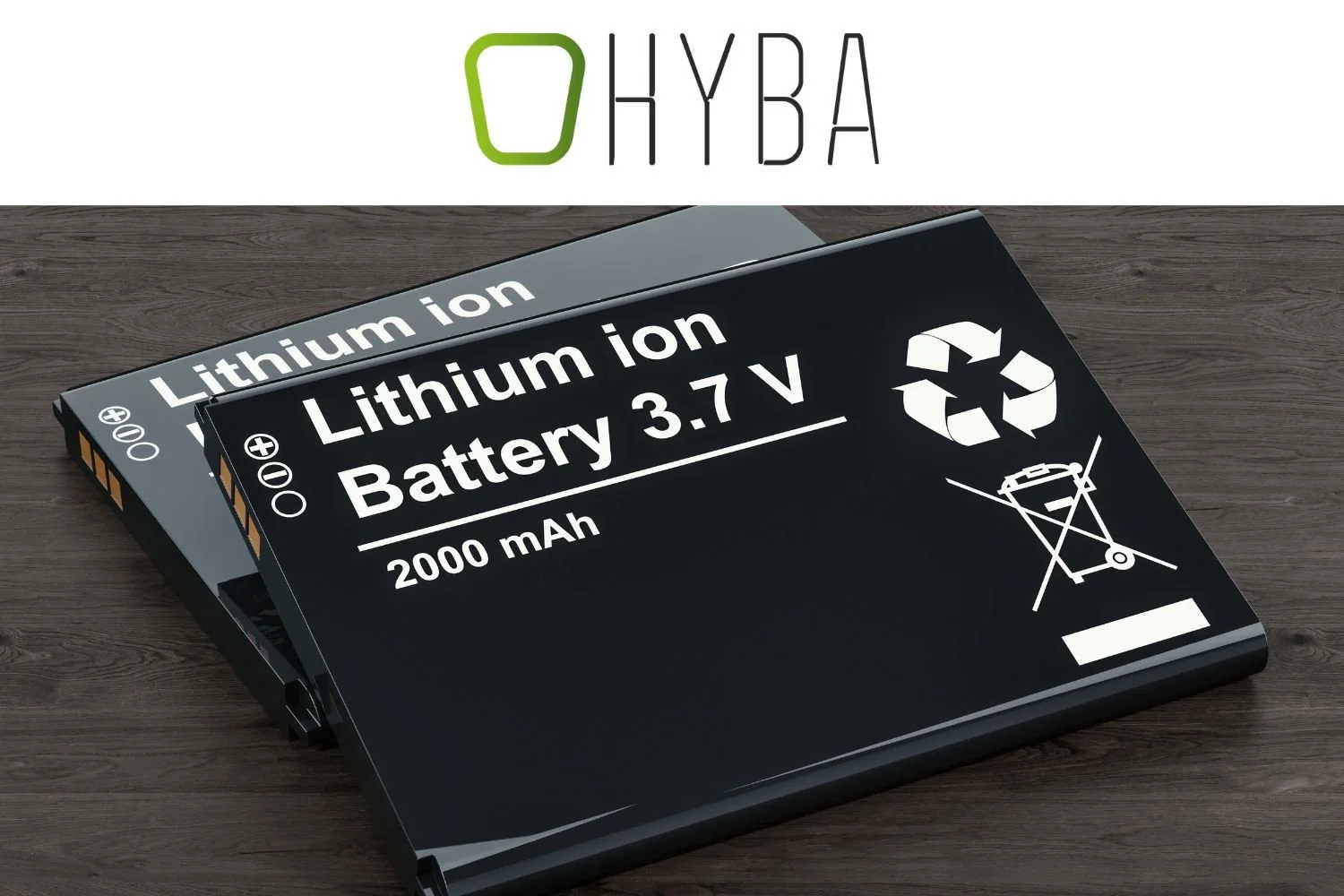
Why Proper Charging of Lithium-Ion Batteries Is Important?
Proper charging maintains the lithium-ion batteries and makes them healthy and reliable. Proper charging improves the life of the battery and helps preserve capacity in the long run. Avoiding overcharging and deep discharging also helps to reduce internal stress and prevent damage of the battery cells. Safe charging also eliminates thermal runaway, fire hazards, and overheating. It facilitates temperature stability and constant power supply. This has led to a smooth running of devices and consistent performance throughout the day.
HYBA delivers intelligent battery solutions designed to power and upgrade modern electric appliances. It has a modular swappable battery technology that reduces carbon emissions, enhances efficiency and helps to transition to a circular economy. It provides quantifiable performance advantages to your company and also increases safety and decreases the total cost of ownership (TCO) of electric appliances. Find out how this solution can increase operational performance and long-term sustainability.
How Often Should You Recharge a Li-Ion Battery?
Charge the Li-ion battery to prevent the battery from dropping too low. Do not discharge completely as deep discharges shorten the life of the cycle and cause internal stress. Keeping the charge level between 20 and 80 percent is helpful in maintaining the long-term health of the battery and the chemical balance. Periodic small charging maintains the performance constant and prevents cell overcharge. The habit keeps capacity and increases the general battery life.
What Type of Charger Should You Use?
Install an original equipment charger that is attached to the device. It provides the proper voltage and current level of safe and stable charging. This correct fit prevents battery cells from overheating and internal stress in every charge cycle. Third-party chargers that comply with the specifications of the batteries also support safe performance. Do not use any cheap or unregulated chargers that kill cells, cause shortened battery life and cause severe safety issues.
What Is the Correct Charging Voltage and Current?
Follow the manufacturer’s recommended voltage at all times. Overcurrent surpasses the voltage limit which raises internal pressure and ruins battery cells. Voltage control provides stability of chemical reactions and safeguards long-term battery life. Put on chargers which control current to avoid overheating. Regulated flow of current lowers the pressure on internal parts. Quick charging is a high current draw and repeated use shortens the life of the battery with time.
Where Should You Charge Your Battery?
Always charge your battery in a cool and dry place without heat, humidity or direct sunlight. The high temperatures kills the cells and shorten the battery life. Put the device on a stable and inflammable surface to avoid accidents. Proper ventilation is useful in heating the battery, making it safe and efficient. Proper placement reduces overheating and supports consistent performance throughout each charge cycle.
How to Monitor Battery While Charging
Check the battery temperature frequently and stop charges when the temperature goes unusually hot. An LED or digital indicator is used to monitor the progress of charging and guarantee the appropriate functioning. Always remove the battery before going to bed, as prolonged charging exposes the battery to the danger of being overcharged and cell damage. These indicators help to keep the battery safe and eliminate the chances of overheating, as well as ensure a consistent performance with every charge cycle.
Can You Charge Lithium-Ion Batteries in Extreme Conditions?
Do not leave lithium-ion batteries in high temperatures because high temperatures not only shorten their usability but also pose fire hazards. Freezing experiences lead to internal damages and reduced performance. Certain temperature-adjusting chargers vary voltage and current to help in safe charging in diverse conditions. Controlled charging of the battery cells helps to preserve the cell and keeps power efficiency and performance constant, even when not within normal temperatures.
How to Extend Battery Life Through Proper Charging Habits
Here are the four good practices to keep a lithium-ion battery healthy and to generally prolong its life.
Partial Charging Routine: Charge the battery between 20 and 80 percent when used on a daily basis. This eases the burden on cells, retards capacity decay and aids stable chemical reactions within the battery.
Avoid High-Current Fast Charging Frequently: Use fast charging only occasionally. Frequent high-current charging raises the internal temperatures, enhances the wear rate and generally decreases the total life of the battery.
Temperature Awareness: Charge the battery within the prescribed temperature range. High temperatures cause chemical decadence, lower the energy efficiency, and uneven wear on battery cells.
Storage Tips: Store batteries partially charged if unused for long periods. Keeping a 40-60 percent charge helps in avoiding deep discharge, lessens self-discharge, and makes the cells stable during prolonged storage.
What Are the Safety Measures for Charging in Vehicles or Devices
Here are three major safety guidelines to keep the charging of the lithium-ion batteries safe in cars or appliances.
BMS Monitoring: Ensure thenbattery is fitted with a battery management system (BMS). It controls current, voltage, and temperature and eliminates overcharge, deep discharge, and unsafe functioning during charging stages.
Charging Ports & Cables: Use approved cables and connectors that fit the battery. Proper connections eliminate resistance and eliminate sparks and damage to the battery and device during charging.
Unattended Charging Caution: Do not leave batteries to charge over a long period of time. Charging continuously without supervision exposes it to the threat of overheating, short-circuiting, or other safety risks that influence battery life.
What Are Common Mistakes to Avoid When Charging Li-Ion Batteries
Here are the three common charging mistakes that reduce battery safety and lifespan.
Using Damaged Batteries: Do not charge batteries that are swollen, pierced, or leaking. Damages can cause short circuiting, overheating, or using fire to develop extreme risks to devices and users.
Overcharging: Repeated charging after reaching 100 percent overloads battery cells and creates heat and increases chemical damage. Overcharging decreases capacity and cycle life and instigates thermal runaway.
Mixing Battery Types: Do not charge different chemistries together. The types of batteries have different voltage and current needs. The combination enhances the potential threat of overvoltage and disproportionate charging, as well as irreparable damage.
Ignoring Manufacturer Instructions – It is always recommended to follow the battery guidelines when charging, storing and using the battery. Failure to follow instructions results in unsafe charging, quick wearing, and reduced performance of the battery in general.